Product Description
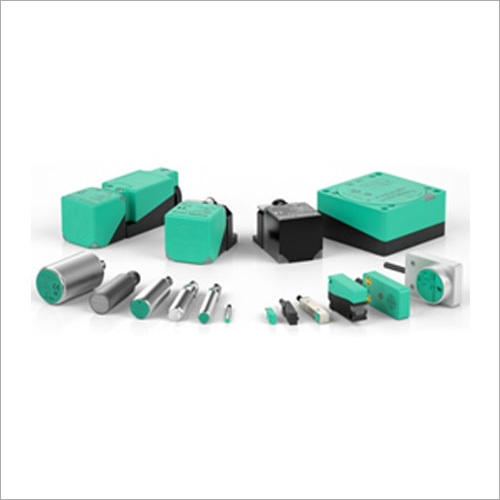
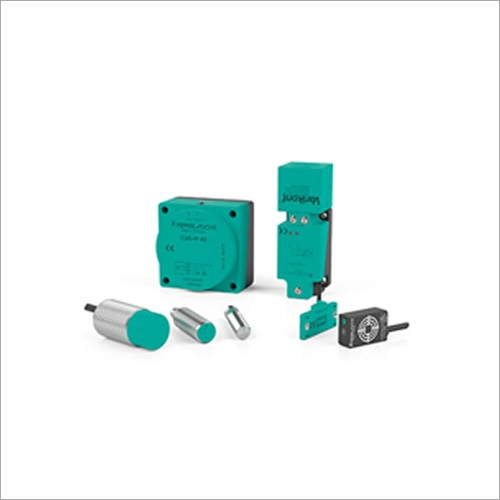
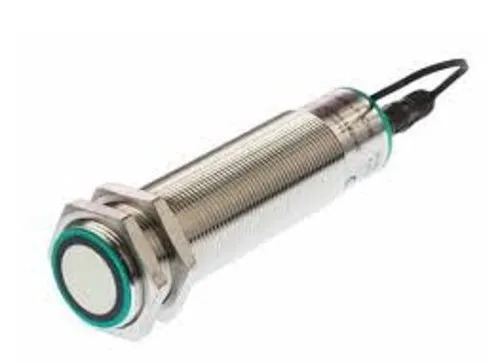
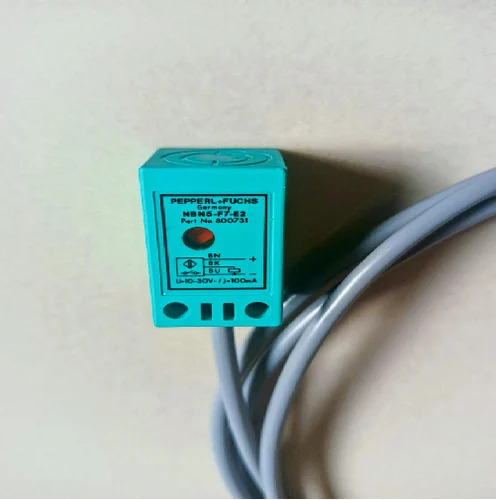
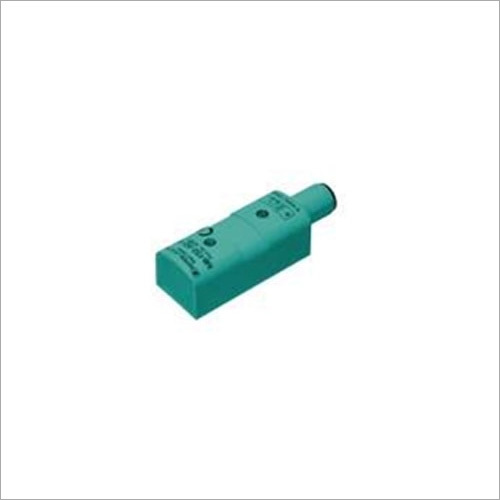
Inductive Proximity Sensors offered by us, are a type of electrical gadget that detects ferrous metal targets without requiring physical touch. Non-ferrous metal targets such as aluminum, brass, and copper will be detected by inductive sensors. Metal detectors, traffic lights, car washes, and a variety of automated industrial processes are all common uses for Inductive Proximity Sensors. They are ideal for applications where access is difficult or where dirt is a problem. They may detect metal targets approaching the sensor. They are very effective and economical to use.
Advanced Object Detection in AutomationThese inductive proximity sensors excel in high-speed object detection for industrial automation. Their ability to detect metal objects with great accuracy, even in challenging environments, makes them indispensable for automated processes that require consistent and repeatable results.
Durable and Versatile InstallationThanks to an IP67 protection rating and robust materials, these sensors thrive in tough industrial settings. Both flush and non-flush mounting options offer flexibility for various machine designs, while the compact, lightweight build ensures easy integration without adding significant weight.
Reliable Sensing with High ResolutionExperience precise object detection with high-resolution sensors. Their fast response time and adjustable sensitivity allow users to tailor detection parameters, ensuring optimal performance across diverse applications without physical interaction, thereby minimizing wear and maintenance.
FAQs of Inductive Proximity Sensors:
Q: How do inductive proximity sensors detect objects in industrial automation?
A: Inductive proximity sensors use electromagnetic fields to sense the presence of metallic objects without physical contact. When a metal object enters the sensors detection range, it alters the electromagnetic field, triggering a digital output signal.
Q: What are the advantages of using these sensors in automated systems?
A: These sensors offer rapid response times (milliseconds range) and high accuracy, making them ideal for precise object detection. Their non-contact operation ensures durability and minimizes maintenance, while their IP67 rating delivers protection in harsh industrial environments.
Q: Where can inductive proximity sensors be installed and how are they mounted?
A: They can be installed in a variety of locations within industrial automation setups, using either flush or non-flush mounting methods. Their compact and lightweight design allows for seamless integration into machinery and systems.
Q: What factors should be considered during sensor selection and installation?
A: When selecting and installing these sensors, consider factors such as detection range (typically 0-10mm to 0-30mm), operating temperature (-25C to 70C depending on model), output type (PNP/NPN, normally open/closed), and mounting type to suit your application requirements.
Q: When is it beneficial to adjust the sensitivity of these sensors?
A: Adjusting the sensitivity is useful when dealing with various sizes or types of metallic objects, or if the application requires finer control over the detection range. Sensitivity can be tuned on some models to suit specific process needs.
Q: What is the typical process for wiring and interfacing these sensors?
A: Sensors generally operate on 10-30V DC and feature standard connection interfaces. Wiring involves connecting the output (digital signal) to a control system, considering the required output type. Refer to the model-specific documentation for cable length and wiring details.
Q: Who provides these sensors in India and what after-sales support is available?
A: These sensors are available through dealers, distributors, manufacturers, service providers, and traders across India. Most products come with at least a 1-year warranty from the manufacturer, ensuring reliable after-sales support and service.







 Send Email

 Send Inquiry
 Send SMS