Product Description
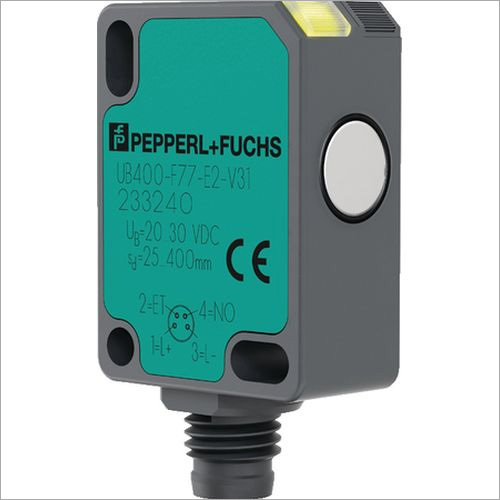
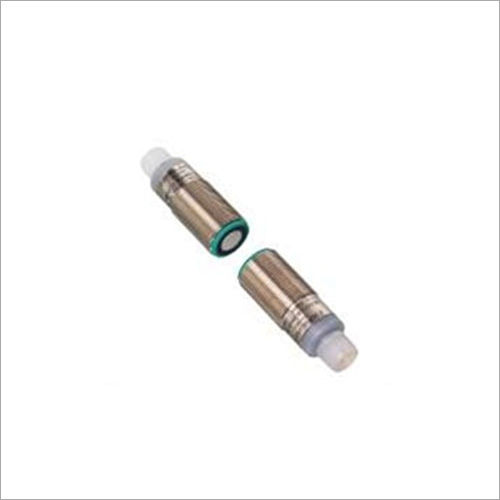
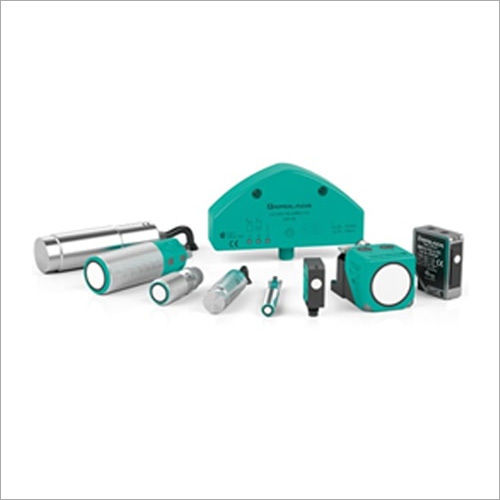
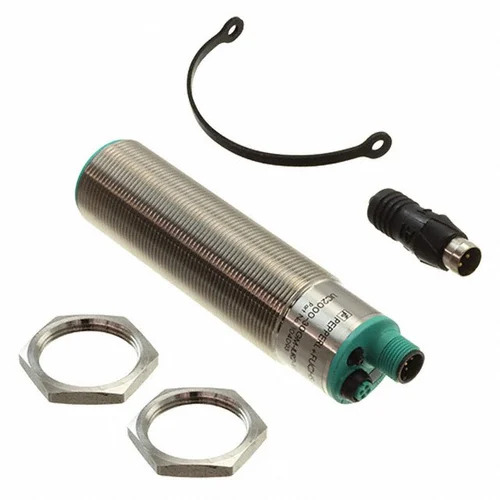
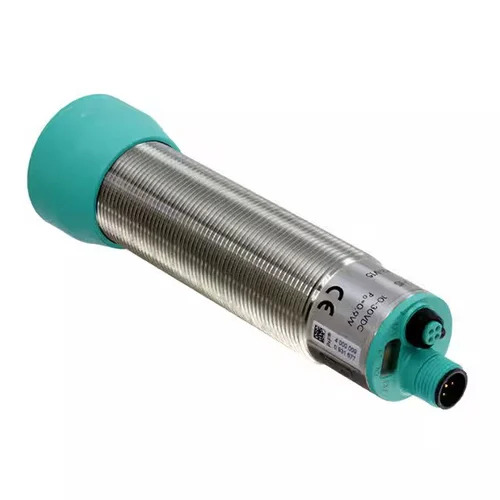
With the quality of the products as our foremost concern, we are one of the leading suppliers of various items. Our Retroreflective Sensors is utilized to fix in the automatic door and security based devices for improving the safety. It works by detecting the object near to the item. All the provided items are tested on the various quality parameters before dispatching them from our premises. The delivery of this Retroreflective Sensors is done by us at cost-effective prices.
Compact Yet Durable DesignWith a space-saving and rugged plastic housing, these sensors are built to last while maintaining a lightweight profile. Their IP67 ingress protection ensures reliable performance even in challenging environments with dust and moisture, making them well-suited for a wide range of industrial settings.
High Accuracy and Fast ResponseEngineered with cutting-edge photoelectric sensor technology, these retroreflective devices guarantee precise object detection. The fast response time ensures immediate feedback, which is critical in automation settings where timing and accuracy matter most.
Versatile Application in Industrial AutomationWhether youre a manufacturer, dealer, distributor, service provider, or trader in India, these sensors offer seamless integration. With adjustable sensitivity and standard connector interfaces, they provide adaptable solutions across various object detection needs within industrial automation workflows.
FAQs of Retroreflective Sensors:
Q: How do retroreflective sensors detect objects in industrial environments?
A: Retroreflective sensors use photoelectric technology to emit a light beam that reflects off a target object and returns to the sensors receiver. Detection occurs when the reflected light is interrupted or returned, enabling accurate object detection even in challenging industrial settings.
Q: What benefits do the high accuracy and fast response time offer for automation?
A: High accuracy ensures precise detection of objects, reducing errors and improving process efficiency. The fast response time allows the system to react quickly to changing conditions, which is essential for automated production lines and fast-moving applications.
Q: When should I choose a retroreflective sensor with a plastic housing and IP67 rating?
A: Select a retroreflective sensor with a plastic housing and IP67 rating when you require lightweight sensors that can withstand exposure to dust and water, such as in harsh or washdown industrial environments or applications where durability and reliability are paramount.
Q: Where can these sensors be mounted, considering their design and mounting type?
A: These sensors are designed for fixed mounting, allowing them to be securely attached to machinery, conveyor systems, or other automation equipment. Their compact size and standard mounting interfaces provide flexibility in various installation environments.
Q: What is the typical process for installing and configuring these sensors?
A: Installation involves mounting the sensor using the designated fixed mounting points and connecting the standardized connector interface. Configuration is achieved by adjusting sensitivity and aligning the sensor with the reflector, following the manufacturers datasheet for best results.
Q: How can I ensure optimal performance within the specified operating temperature range?
A: These sensors are engineered to function reliably between -25C and +70C. Ensure the sensor is not exposed to temperatures outside this range and avoid direct heat sources or freezing conditions to maintain consistent operation.
Q: What are the advantages of a digital switching output and adjustable sensitivity?
A: A digital switching output provides clear on/off signals for straightforward integration into industrial control systems. Adjustable sensitivity allows you to fine-tune the sensor for specific object sizes or environmental conditions, ensuring dependable detection and adaptability for various applications.







 Send Email

 Send Inquiry
 Send SMS
 Call Me Free